Botanical Catalog
Traditional Plants and Ingredients in Wellness Heritage
Traditional Botanical Collection
Explore commonly referenced botanical elements found in traditional wellness practices. This catalog provides informational descriptions and heritage context for educational purposes.
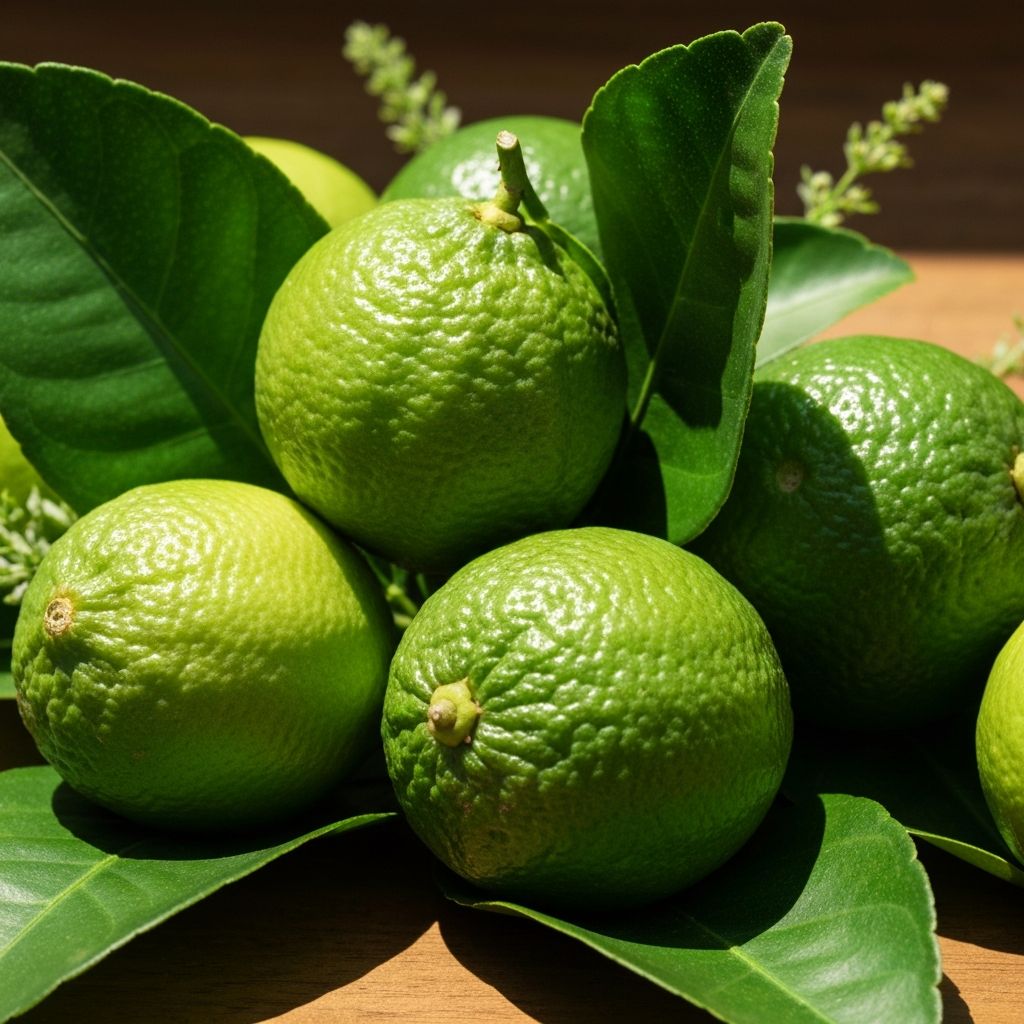
Lime
A citrus fruit commonly used in culinary preparations across various cultures. Lime has been integrated into traditional dietary practices for centuries.
Heritage Information: Often used in traditional beverages, culinary applications, and flavor preparation throughout Mediterranean and tropical regions.
Common Preparations
- Traditional beverage ingredient
- Culinary seasoning and flavor
- Juice preparation methods
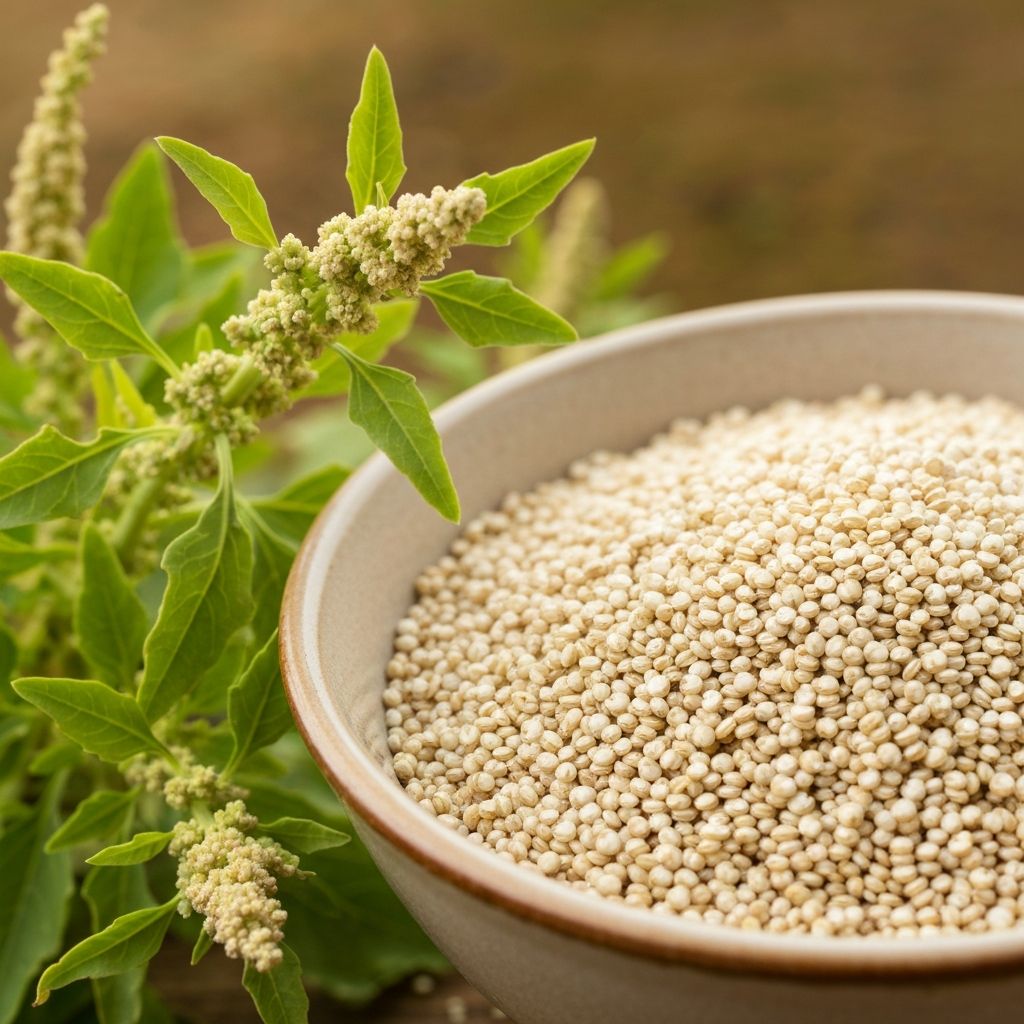
Quinoa
An ancient grain native to the Andean region, quinoa has been a staple food for thousands of years. It is valued for its nutritional composition.
Heritage Information: Known as a foundational grain in pre-Columbian cultures, quinoa remains important in traditional South American nutrition practices.
Common Preparations
- Cooked grain staple
- Nutritious meal foundation
- Traditional agricultural product

Spirulina
A blue-green microalgae that has been used in various wellness traditions. Spirulina is known for its nutrient density and has applications in modern nutritional practices.
Heritage Information: Used in certain traditional cultures and modern wellness approaches for its concentrated nutritional content.
Common Preparations
- Nutritional supplement form
- Culinary ingredient usage
- Beverage supplement addition
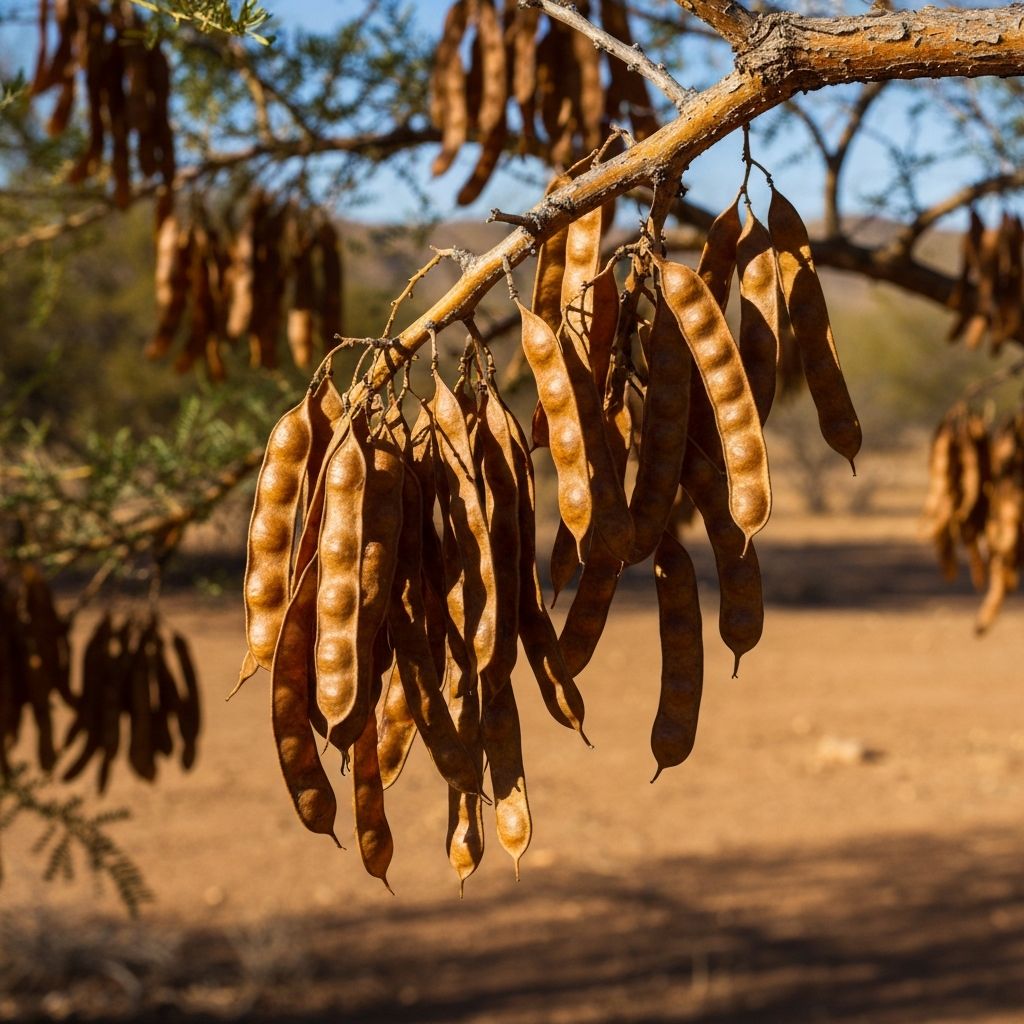
Mesquite Pods
A desert plant native to Mexico and the Americas, mesquite has been used in traditional practices for generations. The pods contain naturally sweet compounds.
Heritage Information: Indigenous cultures in Mexico and the Southwest have long incorporated mesquite into their food traditions and everyday sustenance.
Common Preparations
- Traditional flour preparation
- Culinary sweetener applications
- Indigenous heritage use
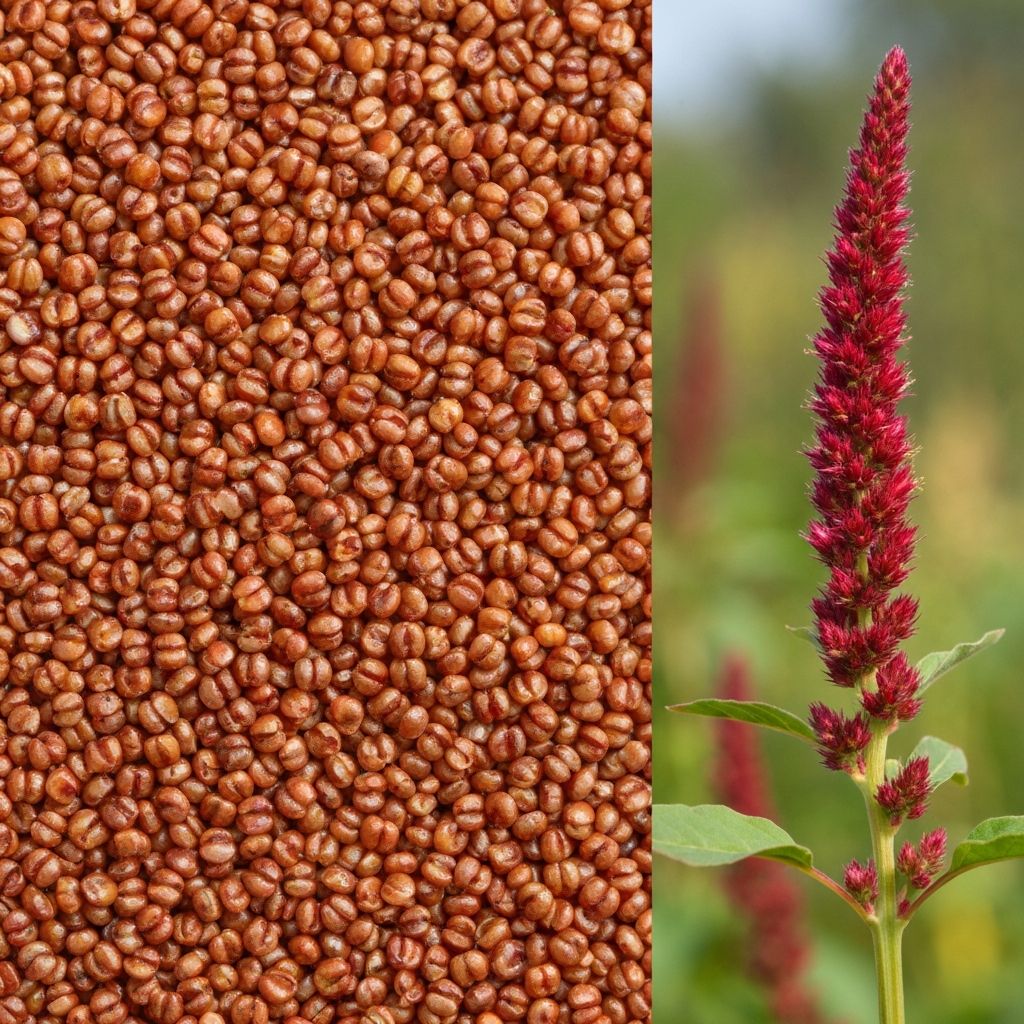
Amaranth Seeds
An ancient grain with deep roots in Mesoamerican cultures, amaranth is a nutritious seed crop that has been cultivated for millennia in traditional practices.
Heritage Information: Amaranth holds significant cultural importance in Mexican and Central American traditions, valued for both nutrition and ceremonial significance.
Common Preparations
- Popped grain preparation
- Nutritious grain staple
- Traditional heritage crop
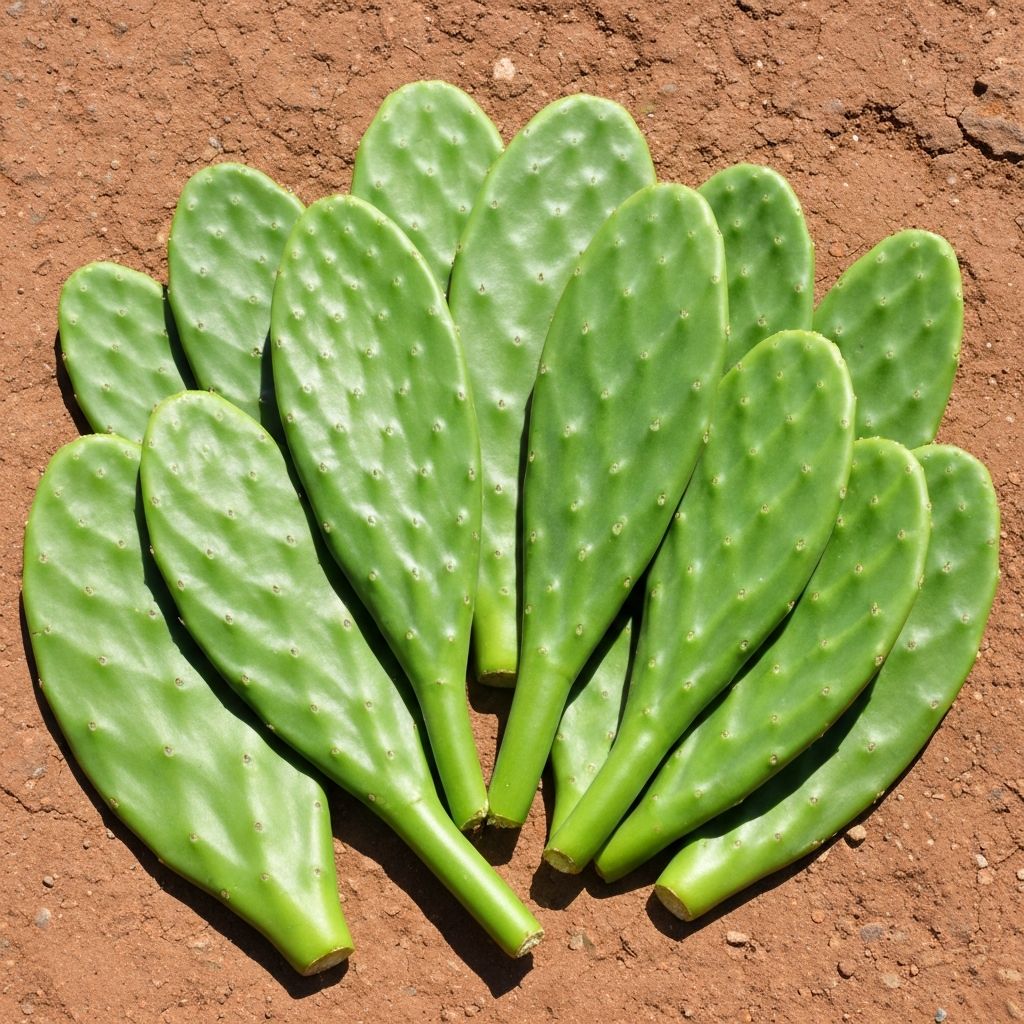
Nopales (Cactus Pads)
The edible leaves of the prickly pear cactus, nopales have been a staple in Mexican cuisine and traditional practices for centuries, with deep cultural significance.
Heritage Information: Central to Mexican culinary and nutritional traditions, nopales appear in pre-Hispanic records and remain important in contemporary Mexican food culture.
Common Preparations
- Fresh vegetable preparation
- Traditional Mexican cuisine
- Cultural food staple
Catalog Information
Educational Purpose: This catalog provides historical and cultural context about traditional botanical elements. It is not a product listing or sales catalog.
Information Source: Descriptions are based on traditional usage patterns and cultural heritage practices documented in various sources.
Educational content only. No promises of outcomes.